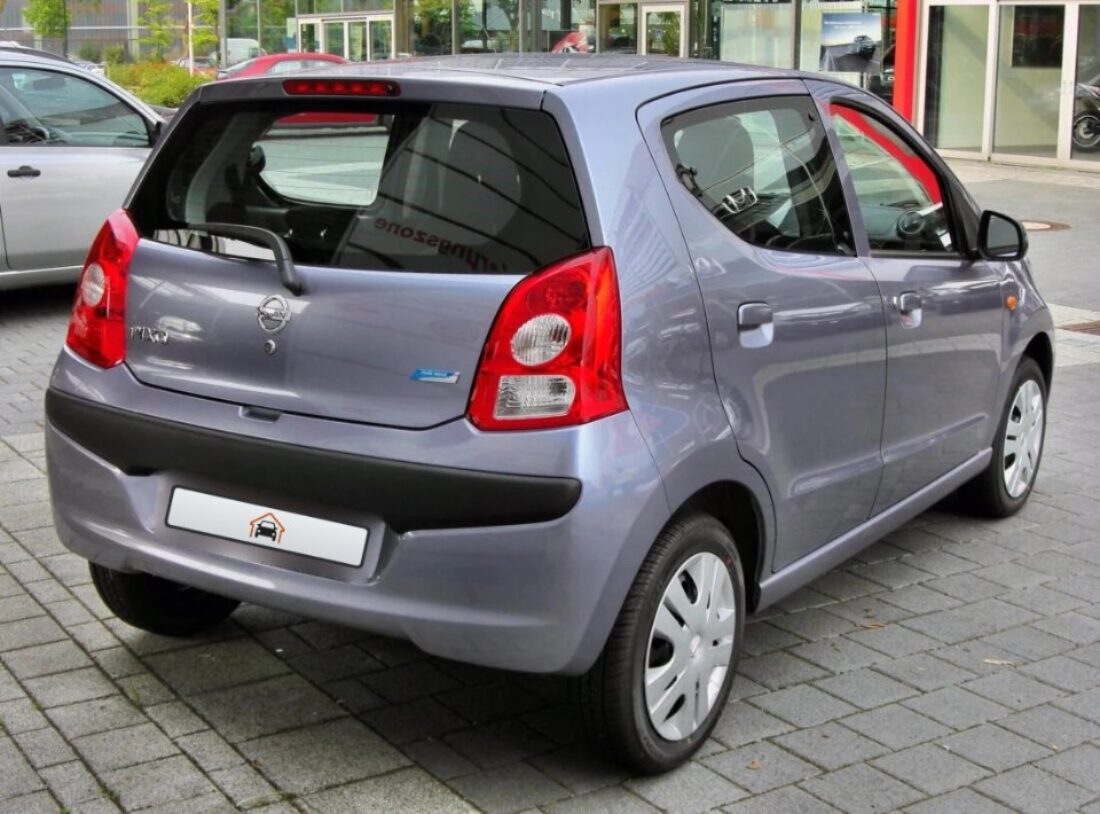
The 2009 Nissan Pixo, with its compact 1.0 liter engine, is an ideal choice for an import with taxes to Portugal. Its small size makes it not only fuel-efficient but also extremely economical in terms of import costs.
Why It Was Cheaper to Import With Taxes
Due to its low engine size and CO₂ emissions, the vehicle import tax (ISV) for this Pixo came out to just €100, the absolute minimum for non-electric vehicles.
In this case, paying €100 in taxes was actually cheaper than going through a tax-free import. Why? Because an import with taxes involves far less paperwork and fewer steps. For cars like this, an import with taxes is often the smarter and simpler route.
The Import Process
Our customer doesn’t live in Portugal full-time, so it took a while before we could schedule the vehicle inspection. No problem. We handled all the documentation in the meantime.
After the car arrived in Portugal, a mechanic did a check-up on the car. It turned out that one part needed replacement. Sourcing and waiting for the part took several weeks, which caused a delay.
Once the part was installed and the inspection was completed, the car passed immediately. We proceeded with the customs declaration, which was approved within about a week.
Authorities Make Mistakes: Always Double-Check
We’ve seen it many times: Portuguese authorities occasionally make errors when entering data. These can include typos in plate numbers or VIN numbers, or even using incorrect dates that accidentally place a car in a higher tax category.
In this case, the DAV (customs declaration document) mistakenly stated the car was from Belgium, when it actually came from the Netherlands. Although this might not lead to any direct issues, we contacted customs and requested a correction, just to ensure smooth sailing during the final registration.
Always carefully review any documents issued by Portuguese authorities to catch and correct mistakes early.