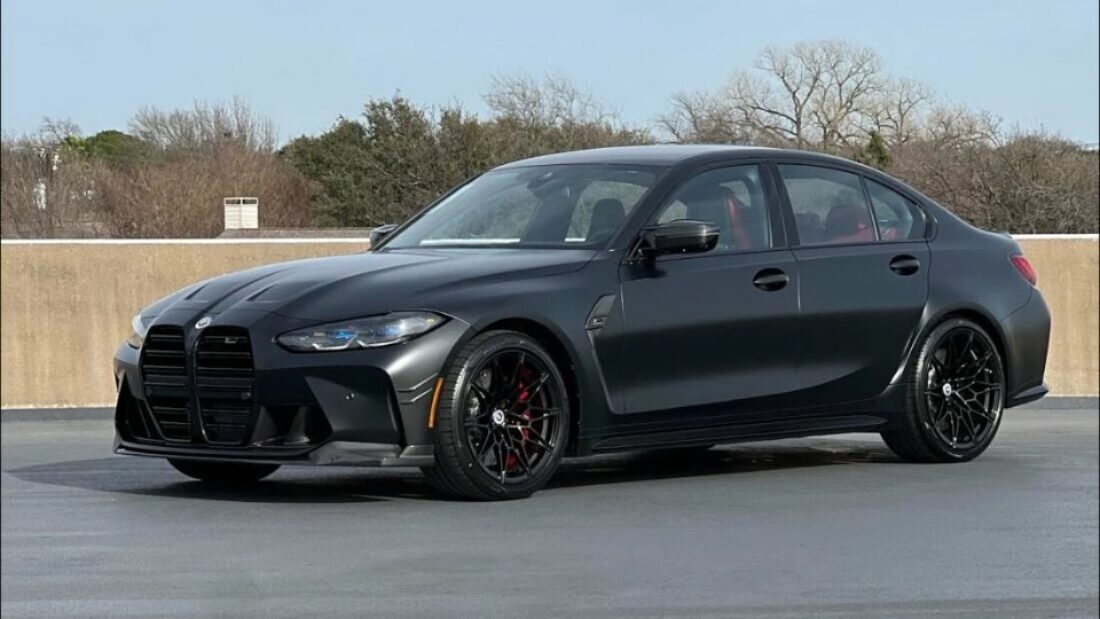
In the spring of 2024, we connected with a couple from the U.S. who planned to move to Portugal that summer. They reached out to get information about the import process for their two vehicles, a BMW M3 Competition from 2023 and an Audi RS 3 from 2024. After providing an overview of costs and details, they decided to proceed with us as their import partner.
We exchanged several emails over the next few weeks, during which they asked questions about preparing their cars for the import requirements in Portugal.
We suggested they reach out to their BMW and Audi dealerships in the U.S., as these dealers have access to European compliance data sheets. So they could determine what modifications were needed.
- BMW Modifications: The BMW required a change to amber turn signals, as European regulations differ from the U.S., where turn signals can be red.
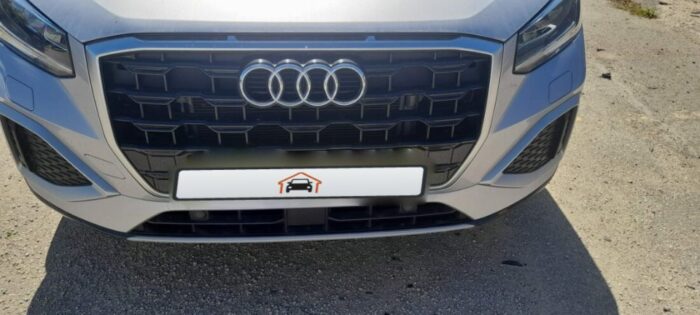
- Audi Modifications: The Audi needed a software adjustment for its lighting, along with a front plate holder, which proved a bit challenging to find. The car’s specific grill design made the part unavailable without a costly grill replacement, so the customer opted to attach the front plate directly to the grill with adhesive.
The couple diligently prepared and gathered all the required proof of living documents on time and in perfect order, which helped keep the process moving smoothly.
Import Process and Authorities’ Mistakes
After a short shipping delay, the cars arrived in August. We had arranged for the shipping company to handle the initial customs documentation, while we took care of the tax-free import application. Without this exemption, the couple would have faced tens of thousands of euros in vehicle import tax (ISV).
Inspection and Document Issues
The inspection itself went well; the modifications were correctly completed, and the cars passed. However, the inspection center mistakenly recorded the wrong US plate number for the BMW. This error meant we had to go back to the center to get the form corrected before we could move forward with the customs application, which slowed things down.
Surprisingly, despite the corrected form, the customs office somehow managed to use the incorrect plate number again on the DAV (customs declaration). We’re still unsure how this happened, but it required us to have the DAV revised once more. Additionally, the inspection center forgot to stamp the homologation document, but luckily, this did not cause further delays.
Final Registration and Timing Delays
Once the documents reached customs, they were accepted without further issues, thanks to the couple’s thorough preparation. Oddly, however, the BMW’s Portuguese plate number was issued about a week and a half before the Audi’s, which was frustrating for the customer who had to wait. At least they had one car ready to drive while the second was finalized.
Despite these bumps in the road, our customers are now happily cruising around Portugal in their BMW and Audi!
Key takeaway:
When importing cars to Portugal, there can be small setbacks, often due to administrative errors or paperwork missteps from authorities. We work hard to catch these issues as they arise, but occasional delays are sometimes unavoidable.