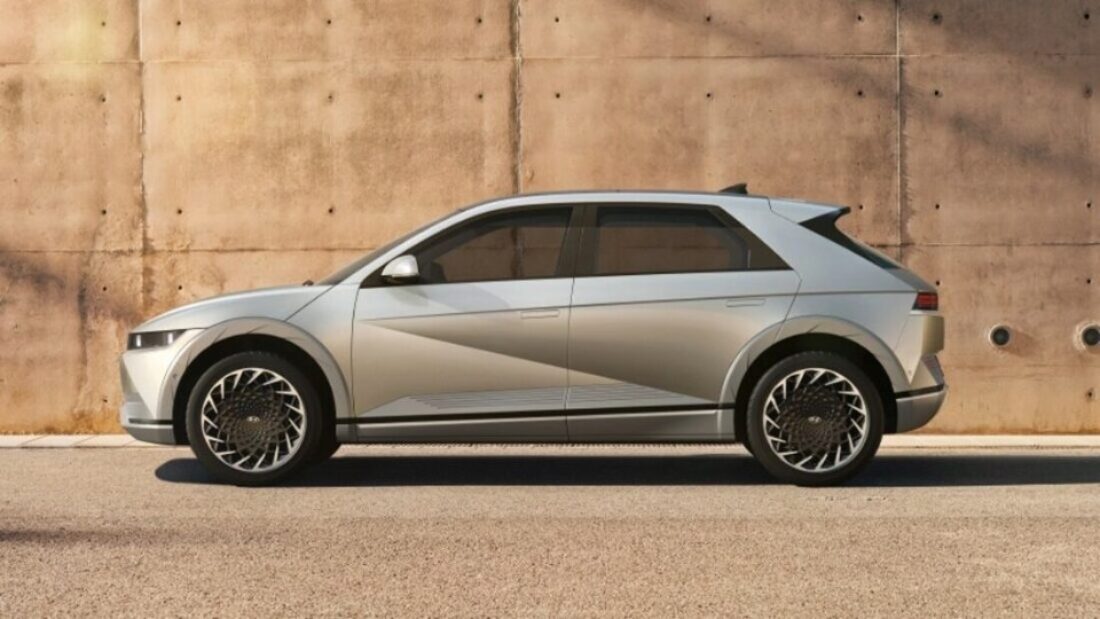
This Hyundai Ioniq 5 was about as straightforward as imports get. A company, referred by one of our other clients, contacted us about importing a brand-new electric company car from Germany.
Tax-Free Import Not Necessary for Electric Vehicles
Since electric vehicles don’t pay the vehicle import tax (ISV) in Portugal, there was no need for a tax-free import process. We proceeded with an import with taxes, which comes with fewer paperwork requirements and lower service costs.
The vehicle hadn’t been purchased yet, so we waited for the purchase and shipping arrangements to be finalized. Meanwhile, we started preparing the homologation process while the car was en route to Portugal. Once it arrived, it went straight to inspection, which it passed easily. (Why brand-new vehicles need inspection is a question we’re still pondering!)
The shipping document
When a vehicle is transported by trailer to Portugal, a shipping document is required. During the inspection, they also check the car’s mileage; if a car shows zero kilometers, it’s clear it wasn’t driven into the country.
During the customs application, there was only a brief back-and-forth regarding the purchase invoice and shipping document, as the original plan had been for the car to be driven to Portugal. Other than that, everything was approved without issue. And the customer had his plates within a few weeks.
No Additional IVA for the Import
Typically, importing a new car involves paying both IVA and ISV. However, because this was a company car, the customer could purchase the vehicle in Germany without sales tax and only paid IVA in Portugal, a process their accountant handled smoothly.