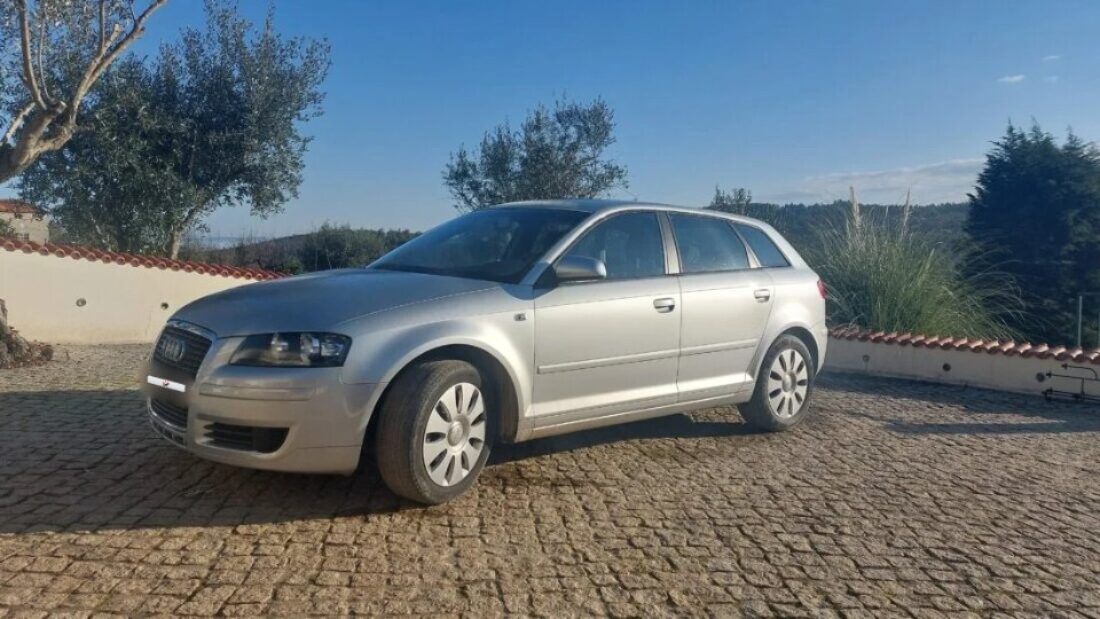
We don’t often see larger cars like this 2005 Audi A3 imported with taxes, especially with its 1.9L engine size. This made the vehicle import tax (ISV) for this car quite substantial.
High ISV (one-time import tax)
After reviewing the ISV amount with the customer, he decided it was worth the investment. The car had proven reliability and an impressively low mileage for its age (well under 100,000 km). While the car qualified for the maximum age discount, the ISV still came in at just over €2,000 due to the engine size, fuel type, etc.
Low IUC (annual road tax)
One advantage of this older car is that it falls under the pre-2007 IUC regime, significantly lowering the annual road tax. The yearly tax is only €46, compared to €268 for a newer car with similar specifications. This savings helped offset the higher upfront ISV cost over time.
Inspection
Since this was an import with taxes, the process moved fairly quickly. The only delay occurred when the customer forgot to bring the Part 2 of the vehicle registration to the inspection, requiring a second trip the next day. Once both parts were presented, the car passed inspection immediately.
A quick customs application
Once the customs application was submitted, the customer received his DAV and plate number within just four days. With the ISV paid in full, we quickly moved to the next steps. While registration usually takes several months, the customer was able to drive his car with Portuguese plates in the meantime.